
Building Better Training With Skills-Based Learning
The workplace is changing faster than ever before. LinkedIn reports that over one-third of top skills changed between 2017 and 2022. McKinsey projects 60% of the global workforce will need new skills by 2030. This rapid change demands a new approach to corporate training.
Traditional training programs focus on job titles and roles. A sales manager takes sales management courses. A developer takes coding classes. This seems logical, but misses something crucial. Skills matter more than titles.
What Is Skills Taxonomy
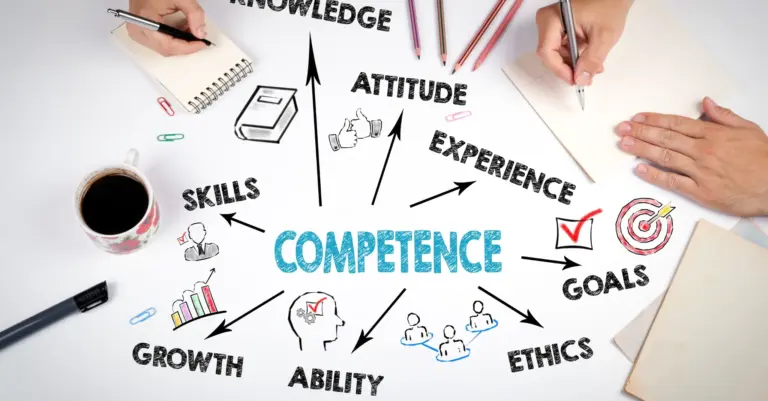
A skills taxonomy is a structured way to organize and categorize capabilities. Think of it as a map of skills your organization needs. It breaks down complex jobs into specific, measurable abilities.
For example, a customer service role might require communication skills, problem solving, product knowledge, and empathy. Each of these becomes a distinct skill in the taxonomy. This clarity helps everyone understand what capabilities drive success.
Why Skills-Based Learning Matters
The shift to skills-based hiring has moved beyond buzzword status. It is now a business imperative. Research from Salary.com found that 57% of HR professionals believe skills taxonomies reduce bias in hiring and development.
But there is a gap. HR departments embrace skills frameworks. They build impressive taxonomies. Yet learning and development teams struggle to connect these frameworks to actual training programs.
The skills-based approach is now a top priority for 61% of L&D professionals. Executives show even more substantial support, with 90% adoption in recent surveys. The momentum is clear. The implementation guidance is not.
Connecting Skills to Your LMS
A learning management system provides the perfect platform for skills-based training. Modern LMS platforms can map courses to specific capabilities. This transforms random training into targeted development.
Start by identifying skill gaps. Your skills taxonomy shows what capabilities each role requires. Employee assessments reveal current skill levels. The difference between these two points creates a personalized learning path.
This approach delivers better results than traditional training. Employees learn what they actually need. Organizations develop capabilities that drive business outcomes. Time spent on irrelevant courses drops dramatically.
Building Dynamic Learning Paths
Static course catalogs belong to the past. Dynamic learning paths adapt to individual needs and organizational changes. When new technical skills emerge in the future workplace, the system updates automatically.
A logistics employee might need data analysis skills. Another in retail might need the same capability. The LMS recommends the same foundational course to both. Then it branches into industry-specific applications.
This flexibility matters because skills evolve. What worked last year might not work today. Your training management system software needs to keep pace with change.
Measuring Competency Development
Skills taxonomies enable precise measurement. Instead of tracking course completions, you measure actual capability growth. Did the employee gain the skill? Can they apply it effectively?
Best learning management systems now include skills assessments and competency tracking. Employees see their progress against required capabilities. Managers identify team strengths and gaps. L&D teams prove the impact of training with data.
This shifts conversations from activity metrics to outcome metrics. The focus moves from "how many courses" to "which capabilities improved."
Practical Implementation Steps
Start small. Choose one department or role family. Map the essential skills for success. Identify existing e learning courses that develop each skill. Fill gaps with new content or external resources.
Use your LMS software to tag courses with relevant skills. Create skill profiles for each role. Set up assessments to measure current capabilities. Generate learning paths that bridge gaps.
Test the approach before scaling. Gather feedback from early users. Refine your skills taxonomy based on real-world applications. Then expand to other parts of the organization.
Common Challenges and Solutions
Many organizations create overly complex taxonomies. They define hundreds of micro skills that overwhelm users. Keep skills and their names simple. Focus on skills that truly differentiate performance. Another challenge involves keeping taxonomies current. Skills change as business needs evolve. Assign someone to review and update the framework quarterly. Make it a living document, not a one-time project.
Integration between HR systems and learning platforms can cause friction. Look for LMS platforms that offer strong API capabilities. This enables seamless data flow between systems.
The Future of Capabilities-Based Training
Skills-first hiring and development will only accelerate. Organizations that master this approach gain a competitive advantage. They develop talent faster. They retain employees better. They adapt to market changes more quickly.
Technology will make implementation easier. AI-powered systems can recommend skills based on career goals. They can suggest learning content automatically. They can even predict future skill needs based on industry trends.
The question is not whether to adopt skills-based learning. The question is how quickly you can implement it effectively.
Transform Your Training With AlphaLearn
AlphaLearn provides a cloud-based learning management system designed for modern skills development. Our platform helps organizations move beyond traditional training to capabilities-based learning.
You can map skills to courses, create dynamic learning paths, and measure competency development. The system adapts as your needs evolve. Over 500,000 learners across industries, including retail, hospitality, healthcare, logistics, and manufacturing, already benefit from this approach.
AlphaLearn makes skills-based training practical and scalable. Our LMS features include comprehensive skills taxonomy support, automated learning path creation, and robust competency tracking. The platform effectively serves both desk-based teams and frontline workers.
Ready to build a training program that develops real capabilities? Visit AlphaLearn to learn more about our skills-based learning solutions. Discover how focusing on technical skills for the future workplace can transform your organization's performance. Leverage AI-powered learning solutions, upskilling platforms, and corporate training software to build a skilled workforce. AlphaLearn's enterprise LMS provides remote team training, compliance training, and continuous employee development. Our LMS is trusted by 500,000+ learners across retail, healthcare, logistics, and manufacturing industries.
Neha Iyer
Learning Experience Designer
Neha specialises in eLearning design, blended learning models, and learner engagement strategy. She brings a learner-first perspective to instructional design, with a focus on mobile-first delivery for deskless workforces.
Get Started
See AlphaLearn in action
500,000+ employees trained. ISO 27001:2022 certified.