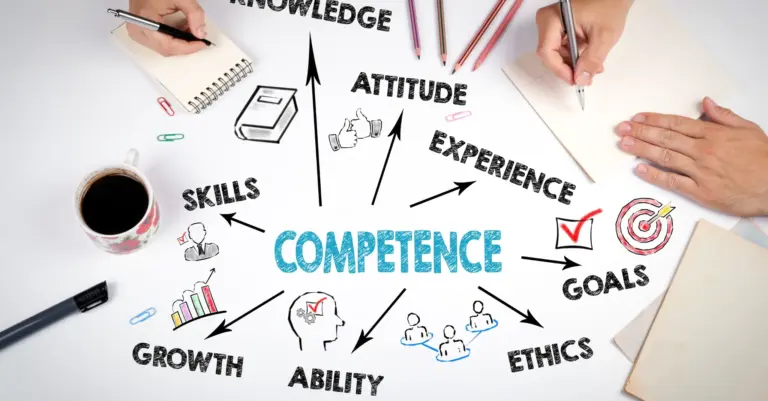

The way we navigate a workplace isn’t just about the tasks we accomplish-it’s about how we interact with those around us. From clear communication to respecting shared spaces, workplace etiquette sets the tone for a respectful and harmonious environment.
But what is workplace etiquette, and why does it matter? In this blog, we’ll dive into its significance, explore key principles, and discuss how mastering it can improve your professional relationships.
Understanding Office Etiquette
At its core, office etiquette meaning revolves around the unspoken rules that help workplaces run smoothly and respectfully. It’s the little things, like greeting your colleagues warmly, following company policies, and making sure your actions don’t disrupt others. Together, these workplace customs create an environment where everyone feels valued and can work efficiently.
At the heart of it all is workplace courtesy. Whether it’s respecting someone’s time or acknowledging their contributions, these behaviours foster mutual respect and professionalism. No matter your industry or role, understanding and practising the different types of workplace etiquette can help build stronger relationships and a more positive work culture.
A Guide to Essential Office Etiquette Rules
Every professional setting thrives on some basic principles of behaviour. To maintain a respectful and efficient work environment, here’s a guide to types of workplace etiquette that everyone should follow:
Effective Communication
Good communication is the foundation of etiquette at work. Whether it’s a quick email or a face-to-face conversation, how you say something matters just as much as what you’re saying.
Tips for Effective Communication:
-
Remember that politeness goes a long way in email communication. Ensure your emails are well-structured, to the point, and free of jargon to maintain professionalism.
-
Listening carefully and avoiding interruptions is key to fostering effective communication. This ensures that all viewpoints are understood and valued.
-
If something is unclear, don’t assume. Simply ask questions to ensure transparency and avoid misunderstandings in communication.
Teamwork & Collaboration
Teamwork is all about working well with others and respecting the unique perspectives they bring to the table. When collaboration is built on mutual respect, it benefits everyone involved and supports employee development.
How to Foster Teamwork:
-
When conflicts arise, approach them with a calm demeanor and a focus on finding solutions. This helps maintain a positive environment and promotes effective teamwork.
-
Being open to feedback is essential for personal and team growth. Constructive criticism helps teams improve and fosters a collaborative learning atmosphere.
-
Recognizing and appreciating the contributions of each team member motivates individuals and strengthens the overall team dynamic.
Workplace Behaviour
How you conduct yourself in the office says a lot about your professionalism. Understanding the basic office etiquette around personal space, shared areas, and appropriate behaviour is essential for maintaining a respectful environment.
Workplace Behaviour Tips:
-
Give your colleagues the space they need and respect their personal boundaries to foster a comfortable and respectful work environment.
-
Adhering to the company’s dress code helps maintain professionalism and reflects well on the organisation’s culture. Keeping your workspace tidy is also important for a productive environment.
-
Behaviours such as loud phone calls or inappropriate jokes can disrupt the work environment. It’s important to maintain professionalism and respect for others at all times.
Why Workplace Etiquette Training Matters
Soft skills training isn’t about memorising rules; it’s about fostering a culture of respect, teamwork, and professionalism. Here’s how it can make a real difference:
-
Improved Employee Relationships
When employees communicate respectfully and work well together, the workplace feels like a cohesive unit. Training teaches people how to avoid unnecessary conflicts, appreciate different perspectives, and build stronger connections with their colleagues. It’s the kind of environment where everyone feels like they belong.
-
Enhanced Professionalism and Productivity
Good etiquette isn’t just about being polite; it makes the workplace more efficient. Clear communication, staying organised, and respecting deadlines all lead to smoother workflows. The result? Fewer distractions, better teamwork, and a more productive office overall.
-
Positive Organisational Image
A workplace rooted in courtesy and professionalism does more than just benefit employees. It also enhances the company’s reputation. Clients and partners notice when an organisation values respect and collaboration. This makes it easier to attract talented professionals and build lasting relationships with customers.
Role of AlphaLearn’s LMS in Workplace Etiquette Training
AlphaLearn’s LMS (Learning Management System) is an invaluable resource for organisations aiming to implement effective workplace etiquette training. Its AI-powered skilling modules and customisable content allow businesses to create training programs that meet their specific needs.
Specialised programs like POSH training, focused on fostering respectful workplace behaviour, can be seamlessly integrated into the platform. Additionally, the advanced LMS software allows organisations to automate course delivery, track progress, and ensure consistent learning across teams. This makes instilling good manners at the workplace and reinforcing company values more streamlined than ever.
Office Rules and Regulations Every Employee Should Know
Every organisation operates with a set of rules and regulations that define professional conduct, safety standards, and workplace expectations. While specific policies vary by company, these are the universal office rules that apply across most Indian organisations.
Punctuality and Attendance: Arrive on time, follow the organisation’s attendance policy, and inform your manager in advance about planned leaves. Excessive tardiness or unplanned absences impact team productivity and are typically tracked through HRMS systems.
Dress Code Compliance: Follow the company’s dress code – whether it is formal business attire, business casual, or industry-specific requirements like safety uniforms in manufacturing. When in doubt, err on the side of formality.
Respectful Communication: Maintain professional and respectful communication with all colleagues, regardless of hierarchy. This includes face-to-face interactions, emails, messaging platforms, and video calls. Avoid gossip, personal attacks, and discriminatory language.
Data Security and Confidentiality: Protect company data, client information, and proprietary systems. Follow password policies, lock your workstation when away, and never share confidential information outside authorised channels. Data breaches can result in termination and legal consequences.
Clean Desk and Workspace Maintenance: Keep your workspace organised and clean. Secure sensitive documents in locked drawers at the end of each day. In shared office environments, respect common areas – meeting rooms, kitchens, and recreational spaces.
Meeting Etiquette: Join meetings on time, come prepared with required documents or updates, keep your phone on silent, and participate actively. For virtual meetings, keep your camera on when expected, mute when not speaking, and avoid multitasking visibly.
Use of Company Resources: Company equipment, internet, and resources are for professional use. Avoid excessive personal use of company devices, and never install unauthorised software on company systems.
Reporting and Escalation: Know the proper channels for reporting issues – whether it is an HR concern, a compliance violation, a safety hazard, or a workplace conflict. Most organisations have formal escalation procedures, and employees are expected to use them rather than handling sensitive matters informally.
Training organisations can use an LMS like AlphaLearn to deliver workplace etiquette and office rules training as part of their onboarding program, ensuring every new employee understands and acknowledges company policies before their first week is complete.
Arjun Mehta
HR Technology Consultant
Arjun advises mid-size and enterprise teams on LMS selection, HR tech integration, and digital learning transformation. He has helped 40+ organisations deploy AlphaLearn across India and the Middle East.
Get Started
See AlphaLearn in action
500,000+ employees trained. ISO 27001:2022 certified.