
Why Frontline and Deskless Workers Need an LMS That Actually Works
Think about the last time you saw a retail associate helping cus…sting patients. These workers form the backbone of our economy.
Yet corporate training often skips them.
Here is a number that should concern every business leader. A…eams, and healthcare professionals all fall into this category.
Traditional learning management system platforms were built f…uted operations are common and mobile-first access is the norm.
The frontline training gap (and why it hurts)
Frontline teams don’t avoid learning. They avoid training tools that slow them down.
Research also shows that only 36% of frontline workers report…aining feels like a chore instead of support, engagement drops.
The problem isn’t motivation. It’s fit. Most LMS software was…n retail, hospitality, healthcare, logistics, or manufacturing.
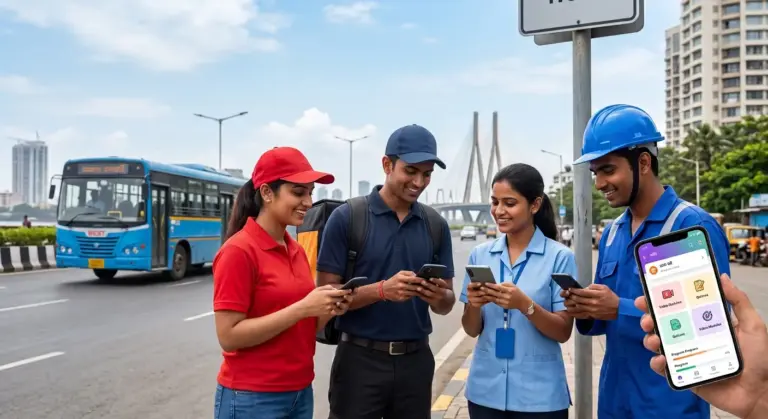
If you’re evaluating learning management system options in I…fts, and languages. Training has to meet people where they are.
Why traditional LMS platforms fail deskless teams
Many corporate learning management platforms were designed i…irst" era. That approach breaks down quickly on the front line.
Here’s what usually goes wrong with traditional online learning software:
- Courses take too long and require uninterrupted time
- Mobile screens feel cramped, and buttons are hard to use
- Heavy video drains data plans and buffers on weak connections
- Navigation gets confusing for users who log in once in a while
- Training assumes constant connectivity, which many roles don’t have
When you force deskless workers into systems made for desk j…able. So are low completion rates and weak knowledge retention.
What deskless workers actually need from an LMS
Deskless employees learn in short bursts. That’s the reality…r module. A restaurant server can’t watch videos during a rush.
Studies show that 71% of deskless employees prefer short, re… Five-minute lessons can fit into your breaks and slow moments.
Moreover, 80% of frontline workers feel comfortable using pe…ow across sectors like BFSI, logistics, retail, and healthcare.
The LMS features that matter for frontline learning
The best LMS platforms now accept a simple truth: one size d…le, but frontline training still needs specific design choices.
Look for corporate LMS platforms that prioritize:
- Mobile-first design with fast loading and simple navigation
- Microlearning modules that take 3-10 minutes
- Offline access for low-connectivity roles (field work, deliveries, remote sites)
- Just-in-time learning so workers can access help at the moment of need
- Lightweight content that doesn’t rely on heavy streaming
Just-in-time learning matters more than people expect. A…g course completed months earlier. The timing makes the lesson stick.
If you’re comparing the best LMS in India, pay attention to mobile performance, offline support, and how quickly admins can publish updates across locations.
What is e learning (and how it connects to LMS)
Leaders often ask, "What is e-learning in computer terms?" The full form of e learning is "electronic learning." A simple e learning definition is training delivered through digital devices like phones, tablets, or computers. In other words, e-learning or online learning help people learn without a classroom.
An LMS is the system that manages it. Think e learning registration, portal login, assignments, and tracking progress in one place. It can also host resources, such as checklists, short videos, and quizzes. Common types of e learning include self-paced modules, virtual instructor-led sessions, blended learning, and microlearning.
There are many online learning platforms, but corporate needs differ. Businesses need role-based training, compliance tracking, and secure access through an e learning portal. Strong, well-designed e-learning websites also matter, because frontline adoption depends on fast navigation.
Across online learning platforms in India, you’ll see a mix of consumer education and corporate training. If your goal is workforce readiness, you’ll want an enterprise-ready learning management system, not just a course marketplace. This is also why "online courses in India" and "online learning" trends are now influencing how employers design onboarding.
The business case: Safety, Service, and Retention
When frontline training works, everything improves.
Better learning access typically leads to:
- Fewer safety incidents and compliance issues
- Higher customer satisfaction and more consistent service
- Faster onboarding and better role readiness
- Lower attrition because employees feel supported
The cost of excluding deskless workers goes beyond training spend. Every preventable safety violation, customer complaint, and resignation tied to poor training shows up on the balance sheet.
How to get started (without rebuilding everything)
You don’t need to throw out your whole training program. Start by assessing what’s already in place.
Audit your current LMS software with a frontline lens:
- Does it work smoothly on a smartphone?
- Which modules are too long for real shift patterns?
- Where do completions drop off?
- Do workers have access when connectivity is weak?
If you want to see what a frontline-friendly learning management system looks like in practice, try it on an actual phone. With AlphaLearn, you can start with a free trial and test the experience end-to-end.
For practical ideas on improving rollout and adoption, explore our resource guides.
The future of frontline learning is mobile
Deskless training is not a "nice-to-have." It’s now the core use case, and platforms like AlphaLearn are built to support mobile-first learning at scale.
The mobile learning market is projected to reach 287 billion by 2030, according to Mordor Intelligence. That growth reflects a shift in how organizations think about corporate learning management. Companies are building for the majority, not the minority.
As e learning platforms in India mature, expectations will rise. Teams will demand faster mobile learning, simpler LMS login experiences, and better offline training for distributed operations. The best online learning platforms will feel less like "software" and more like day-to-day support.
Neha Iyer
Learning Experience Designer
Neha specialises in eLearning design, blended learning models, and learner engagement strategy. She brings a learner-first perspective to instructional design, with a focus on mobile-first delivery for deskless workforces.
Get Started
See AlphaLearn in action
500,000+ employees trained. ISO 27001:2022 certified.