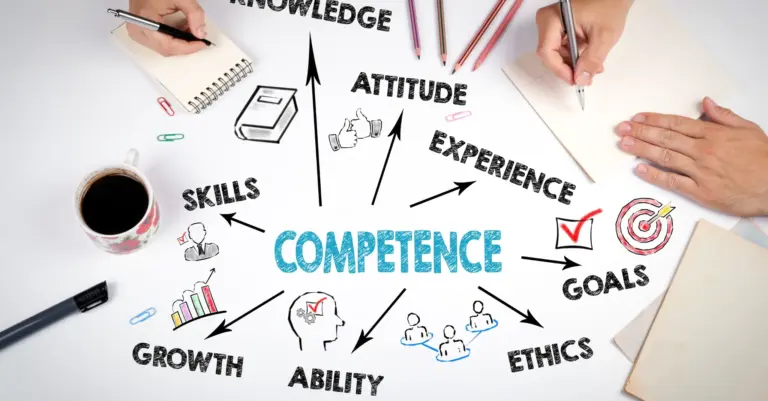

Skills-based learning is reshaping how Indian organisations train and develop their people. Instead of measuring success by courses completed or hours spent in training, skills-based learning asks one simple question: can the employee actually do the job?
This guide explains what skills-based learning is, how it differs from traditional learning, why India’s fastest-growing enterprises are adopting it, and how to implement it using a Learning Management System.
What is Skills-Based Learning?
Skills-based learning is a training approach where every learning activity is organised around building and demonstrating specific, measurable skills – not around completing courses or earning credentials.
In a skills-based learning model:
- Every training module targets one specific skill
- Employees are assessed on what they can do, not just what they have studied
- Training is assigned based on verified skill gaps – not generic role categories
- Learning is self-paced, guided by each individual’s current skill level
- Progress is tracked at the skill level, showing exact proficiency for each competency
Skills-based learning is also called skills-based education when applied in academic and formal learning contexts. In corporate training, the terms are used interchangeably.
Skills-Based Learning vs Traditional Learning
The key differences between skills-based learning and traditional training:
Focus: Skills-based measures demonstrated ability. Traditional measures course completion and attendance.
Content assignment: Skills-based assigns only what each employee is missing. Traditional gives everyone the same content.
Pace: Skills-based is self-directed. Traditional follows a fixed schedule.
Measurement: Skills-based uses competency assessments. Traditional uses hours attended or module completion clicks.
Outcome: Skills-based produces verified job readiness. Traditional produces a certificate of attendance.
Relevance: Skills-based content is tied directly to role requirements. Traditional content is often generic.
ROI: Skills-based targets only verified gaps. Traditional spends budget on content employees may already know.
Why Indian Companies Are Adopting Skills-Based Learning
Three forces are pushing Indian enterprises toward skills-based learning:
Rapidly changing skill requirements: AI, automation, and digital transformation are making certain skills obsolete while creating urgent demand for new ones. An annual training calendar cannot respond fast enough. Skills-based learning allows organisations to identify and close gaps in real time.
India’s growing skills gap: India faces a significant skills deficit across BFSI, manufacturing, healthcare, and technology sectors. NASSCOM estimates that a substantial portion of the Indian workforce will need reskilling by 2026. Hiring alone cannot close the gap – internal development is essential.
Workforce diversity: Indian enterprises manage employees across vastly different education levels, languages, and experience bases. A one-size-fits-all training programme misses most of them. Skills-based learning personalises development to each individual’s starting point.
Career Based on Skills-Based Education
The phrase “career based on skills-based education” reflects a broader shift in how organisations and employees think about professional growth. In a skills-based career framework:
- Promotions are tied to demonstrated skill proficiency, not years of service
- Career paths are defined by skill portfolios, not job titles
- Lateral moves are enabled by acquired skills, not limited by department
- Employees can see exactly which skills they need to develop for their next role
This approach is gaining traction in Indian BFSI, IT, and manufacturing organisations where technical skill requirements evolve rapidly and traditional hierarchy-based progression creates talent bottlenecks.
Types of Skills in a Skills-Based Learning Framework
Technical Skills (Hard Skills):
Role-specific competencies that are directly testable – financial modelling, clinical procedures, machine operation, coding, regulatory compliance knowledge, product specifications.
Behavioural Skills (Soft Skills):
Interpersonal and cognitive abilities – communication, leadership, critical thinking, problem-solving, adaptability, customer service. These require scenario-based assessment rather than simple knowledge tests.
Digital Skills:
Increasingly required across all roles – data literacy, collaboration tools, cybersecurity awareness, digital communication norms. Essential for India’s rapidly digitising workforce.
Functional Skills:
Cross-functional competencies that enable collaboration – project management, data analysis, process documentation, report writing.
How to Implement Skills-Based Learning – 6 Steps
Step 1: Define Your Skills Taxonomy
Create a master list of all skills required for each role in your organisation. For each skill, define 3-5 proficiency levels:
- Level 1 – Awareness: Knows what the skill is, can identify examples
- Level 2 – Developing: Can perform the skill with guidance
- Level 3 – Proficient: Performs independently with consistent quality
- Level 4 – Expert: Coaches others, handles complex variations
Step 2: Assess Current Skill Levels
Before assigning any training, find out where each employee actually stands. Assessment methods:
- LMS-administered skill assessments (scenario-based, not just MCQ)
- Manager evaluations using a structured competency rubric
- 360-degree peer feedback on observable behaviours
- Practical task demonstrations for hands-on roles
Step 3: Map Gaps and Prioritise
The gap assessment shows which skills are missing, how severe the deficit is, and which roles are most affected. Prioritise by business impact – fix the skill gaps most likely to affect performance, compliance, or safety first.
Step 4: Build or Source Skill-Aligned Content
Create or procure content that directly targets each specific skill at the right proficiency level. Best format:
- 5-15 minute microlearning modules per skill
- Scenario-based assessments that test application, not memorisation
- Video demonstrations for practical/physical skills
- Coaching guides for managers supporting skill development
Step 5: Assign Learning Based on Verified Gaps
Only assign skill modules to employees with verified deficits in that skill. An employee who is already proficient at “objection handling” should not be forced through a beginner-level module. This is where an AI-powered LMS makes the difference – it maps assessment data to content automatically.
Step 6: Assess, Certify, and Track Progress
After completing a skill module, assess whether the skill has been acquired using:
- Scenario-based assessments with pass thresholds
- Manager observation checklists for practical skills
- Pre-test and post-test comparison to measure knowledge gain
Issue skill certificates when proficiency at a defined level is verified.
Track skill coverage rates across teams, departments, and the full organisation over time.
Skills-Based Learning and the Role of an LMS
A Learning Management System is the infrastructure that makes skills-based learning practical at scale. Here is how AlphaLearn supports each stage:
Skill gap detection: AlphaLearn’s AI analyses role requirements against each employee’s assessment history and learning data to automatically identify skill gaps – no manual gap analysis required.
Skills-based content assignment: Rather than assigning the same courses to everyone in a role, AlphaLearn assigns only the specific modules where each employee has verified gaps. Someone proficient in “data analysis” skips those modules; someone with a gap gets them.
Skill proficiency tracking: AlphaLearn tracks skill levels for each employee – showing current proficiency, progress toward target level, and verified certification status. Managers see skill data for their entire team at a glance.
Skill-based certification: When an employee demonstrates a skill at a defined proficiency level through assessment, AlphaLearn automatically issues a skill certificate tied to that specific competency.
Organisation-wide skill dashboards: HR leaders and L&D managers see aggregate skill coverage across the organisation – which skills are strong, which departments have gaps, and how skills are developing over time.
HRMS integration: AlphaLearn connects skill data to Keka, Darwinbox, GreytHR, and Zoho People – enabling skill information to flow into performance reviews, career planning, and succession management.
Skills-Based Learning – Frequently Asked Questions
Q: What is skills-based learning?
A: Skills-based learning is a training approach that organises all learning around specific, measurable skills rather than courses or credentials. Employees are assessed on what they can do, and training is assigned only where skill gaps exist.
Q: What is skills-based education?
A: Skills-based education is an educational philosophy where learning outcomes are defined as specific, verifiable skills. In corporate training, it means organising all development activity around a skills taxonomy tied to role requirements.
Q: Why is skills-based learning important?
A: Skills-based learning ensures training budget is spent on verified needs, produces measurable performance improvement, and allows organisations to respond quickly as skill requirements change.
Q: What is a career based on skills-based education?
A: A career based on skills-based education is one where advancement, roles, and opportunities are determined by demonstrated skill proficiency rather than years of service or formal credentials.
Q: How do you implement skills-based learning?
A: Define your skills taxonomy → assess current skill levels → identify gaps → build or source skill-aligned content → assign based on gaps → assess skill acquisition → track and report skill progress.
Q: What LMS supports skills-based learning in India?
A: AlphaLearn supports skills-based learning through AI skill gap detection, role-based content assignment, skill proficiency tracking, skill certification, and organisation-wide skill dashboards.
Start Building Skills at Scale with AlphaLearn
AlphaLearn helps Indian enterprises move from training-by-checklist to skills-by-outcome. AI-powered skill gap analysis, personalised learning paths, and real-time skill dashboards – all on one ISO 27001:2022 certified, AWS Mumbai-hosted platform.
→ See also: AlphaLearn LMS Features | Employee Training Guide | Competency Mapping Guide
Arjun Mehta
HR Technology Consultant
Arjun advises mid-size and enterprise teams on LMS selection, HR tech integration, and digital learning transformation. He has helped 40+ organisations deploy AlphaLearn across India and the Middle East.
Get Started
See AlphaLearn in action
500,000+ employees trained. ISO 27001:2022 certified.